Many homeowners assume residential roof repair is simply a matter of replacing a few missing shingles after a storm or strong winds. While damaged shingles are often the most visible sign of a roofing problem, they are rarely the only issue affecting the structure. Roofing systems are made up of multiple interconnected components that work together to protect a home from moisture, temperature changes, and structural deterioration. When one part of the system fails, the damage can quietly spread beneath the surface long before visible leaks or interior stains appear. This is why experienced roofing professionals often conduct thorough inspections rather than focusing solely on the damaged shingles homeowners can easily see from the ground.
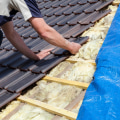
Underneath the outer roofing material are layers designed to protect the home from water intrusion and structural stress. These layers include underlayment, flashing, roof decking, ventilation systems, and moisture barriers that all contribute to the roof’s overall performance. If shingles are blown off or damaged, water may begin entering the roofing system and affect these hidden components. Over time, trapped moisture can weaken wooden decking, reduce insulation efficiency, and contribute to mold or mildew growth within attic spaces. Even small roof openings may allow water to penetrate gradually during repeated storms, causing hidden damage that worsens over months or years. Simply replacing the missing shingles without addressing underlying moisture problems may only provide a temporary cosmetic fix while deeper structural issues continue developing unnoticed.
The Importance of Identifying Hidden Roofing Problems
One of the most overlooked aspects of residential roof repair is the importance of identifying the original cause of the damage. Missing shingles can result from aging materials, improper installation, poor ventilation, storm impact, clogged drainage systems, or weakened structural areas beneath the roof surface. If the underlying cause is not addressed, the same section of the roof may continue experiencing recurring problems even after repairs are completed. Roofing professionals often evaluate ventilation systems, flashing around chimneys and vents, attic airflow, and drainage patterns to determine whether additional factors contributed to the damage.
Flashing damage is another issue that homeowners frequently overlook. Flashing is installed around roof penetrations, valleys, and edges to direct water away from vulnerable areas. Even if shingles appear relatively intact, deteriorated flashing can allow moisture to enter around chimneys, skylights, or vent pipes. Water infiltration in these areas often travels along structural beams or insulation before becoming visible inside the home, making the source of the leak difficult to identify without a comprehensive inspection. A professional roofing company such as A-1 Roofing Services may inspect far more than the outer roofing material when evaluating repair needs because many serious roofing problems begin beneath the visible surface.
Long-Term Protection Requires a Complete Roofing Approach
Roof ventilation also plays a major role in the long-term effectiveness of repairs. Poor attic ventilation can trap heat and moisture beneath the roof, accelerating shingle deterioration and weakening structural materials over time. In warmer or humid climates, improper airflow may increase the likelihood of mold growth, wood rot, and premature roofing failure. Repairing damaged shingles without correcting ventilation imbalances can reduce the lifespan of the entire roofing system and lead to additional maintenance problems in the future.
Another reason residential roof repair requires a broader approach is that weather-related damage is not always isolated to a single area. Strong storms can loosen surrounding shingles, weaken sealants, or create subtle structural shifts that may not become obvious immediately after the event. Thorough inspections help identify vulnerable areas before they develop into more expensive repairs later on. By examining the full roofing system rather than focusing only on visible shingle loss, homeowners are better able to protect their property from long-term moisture damage, structural deterioration, and rising repair costs. Residential roof repair is ultimately about preserving the integrity of the entire roofing system, not simply replacing the most noticeable damaged materials.