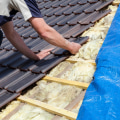
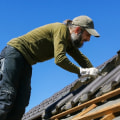
Residential roof repair is often viewed as a straightforward process focused on replacing damaged shingles, sealing leaks, or restoring weather protection after storms or years of normal wear. While these repairs are essential for maintaining a home's exterior, the most successful roofing projects often involve a broader perspective that includes structural planning. A roof is not an isolated component of a house; it functions as part of an interconnected structural system that includes rafters, trusses, load-bearing walls, ceilings, and the foundation below. Damage affecting one area may influence the performance of others if underlying structural concerns remain unaddressed. Coordinating roof repairs with structural planning allows homeowners to identify hidden issues early, improve the long-term durability of the building, and ensure that repair efforts contribute to the overall stability of the home rather than simply correcting visible surface damage. This comprehensive approach helps maximize the value of every roofing investment while reducing the likelihood of recurring problems.
Looking Beyond Surface-Level Roof Damage
Many roofing issues originate beneath the visible roofing materials. Water intrusion, prolonged moisture exposure, aging framing components, or previous construction deficiencies can gradually weaken the structural elements supporting the roof system. While replacing damaged shingles may temporarily resolve visible leaks, underlying structural concerns such as deteriorated roof decking, weakened rafters, or shifting support members can continue to affect the home's performance if they are not identified during the repair process. Structural planning allows professionals to evaluate how roofing components interact with the rest of the building, ensuring that repairs address both immediate concerns and potential long-term risks. Companies such as Open Concept Engineering understand that effective roof repair extends beyond replacing exterior materials. By incorporating engineering expertise into renovation planning, homeowners can confirm that structural systems remain capable of supporting the roof safely while accommodating future environmental stresses, weather conditions, and normal building movement.
Strengthening Long-Term Home Performance
Coordinating roof repair with structural planning also creates opportunities to improve other aspects of building performance. During roofing projects, contractors often gain access to framing, insulation, ventilation pathways, and attic spaces that are otherwise difficult to inspect. This access allows structural professionals to evaluate roof framing connections, identify signs of moisture damage, verify proper load distribution, and recommend improvements where necessary. Homeowners may also choose to enhance attic ventilation, improve insulation, or upgrade drainage components such as gutters and downspouts during the same project. These complementary improvements help reduce future moisture accumulation, improve energy efficiency, and protect structural materials from unnecessary deterioration. Addressing multiple building systems together minimizes repeated disruptions while creating a more resilient roofing assembly capable of performing reliably over many years. Careful planning also helps ensure that any structural modifications required for solar panel installations, skylights, or roof extensions are completed safely and in compliance with applicable building standards.
A Smarter Approach to Residential Roof Repairs
Homeowners often view roof repair as a reactive measure following storm damage or visible deterioration, but integrating structural planning transforms it into a proactive investment in the overall health of the property. Thorough structural evaluations can reveal developing concerns before they become major repairs, allowing corrective action to be taken while roofing work is already underway. This coordinated approach reduces future maintenance costs, supports longer roof lifespans, and provides greater confidence that the home's structural framework remains sound beneath the finished roofing materials. It also improves communication among roofing contractors, engineers, inspectors, and homeowners by ensuring that everyone works toward the same long-term objectives. Ultimately, coordinating residential roof repair with structural planning offers benefits that extend far beyond the roof itself. By considering the relationship between roofing systems and the structural framework they protect, homeowners can preserve property value, improve building durability, enhance occupant safety, and create homes that remain resilient against changing weather conditions and everyday wear for many years to come.