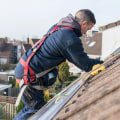
Residential roof repair plays a critical role in preventing water-related damage that can compromise the safety and integrity of a home. One of the most effective strategies is identifying early warning signs before they escalate into serious issues. Homeowners should regularly inspect their roofs for missing or damaged shingles, cracked flashing, and clogged gutters. Interior signs such as water stains on ceilings, peeling paint, or musty odors can also indicate roof leaks. Addressing these issues promptly helps prevent water from penetrating deeper into the structure, where it can cause rot, mold, and insulation damage. Early detection is key to minimizing repair costs and protecting the home from long-term deterioration.
Maintaining Proper Drainage Systems
A well-functioning drainage system is essential for keeping water away from the roof and foundation. Gutters and downspouts should be cleaned regularly to ensure that rainwater flows freely and does not accumulate on the roof. Blocked gutters can cause water to back up under shingles, leading to leaks and structural damage. Additionally, ensuring that downspouts direct water away from the home prevents pooling around the foundation. Homeowners often search for services like "plumber near me" when dealing with water-related issues, but maintaining roof drainage can significantly reduce the likelihood of needing such repairs. Proper water management is a simple yet highly effective way to extend the lifespan of a roof.
Reinforcing Vulnerable Areas of the Roof
Certain areas of the roof are more prone to leaks and require extra attention during maintenance and repairs. Flashing around chimneys, vents, and skylights is particularly vulnerable and should be inspected for signs of wear or gaps. Sealing these areas with high-quality materials helps prevent water from seeping into the home. Additionally, ensuring that roof valleys—where two slopes meet—are clear of debris and properly sealed reduces the risk of water accumulation. Reinforcing these critical points strengthens the overall durability of the roof and minimizes the chances of water infiltration.
Scheduling Regular Inspections and Repairs
Routine inspections by professionals are an important part of any roof maintenance strategy. Experienced contractors can identify potential problems that may not be visible to the untrained eye, such as underlying structural weaknesses or hidden moisture damage. Scheduling inspections at least once or twice a year, as well as after major storms, ensures that any issues are addressed promptly. Timely repairs not only prevent further damage but also help maintain the efficiency of the home’s insulation and ventilation systems. Investing in regular maintenance reduces the likelihood of unexpected and costly repairs in the future.
Long-Term Benefits of Proactive Roof Care
Adopting proactive roof repair strategies offers significant long-term benefits for homeowners. A well-maintained roof protects the home from water damage, preserves structural integrity, and enhances energy efficiency. It also contributes to higher property value and improved overall comfort. By combining regular inspections, proper drainage maintenance, and timely repairs, homeowners can create a comprehensive approach to roof care. Ultimately, these efforts ensure that the roof remains a reliable barrier against the elements, safeguarding the home and its occupants from the damaging effects of water intrusion for years to come.