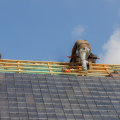
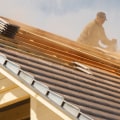
A roof repair project often begins with visible issues like missing shingles, cracked flashing, or minor leaks, but many homeowners are surprised to learn that roofing problems frequently go hand in hand with gutter concerns. Your roof and gutter system work together to channel water safely away from your home, and when one component fails, the other often suffers as well. If you are scheduling a roof repair, it is important to look for signs that your gutters may also need attention. Ignoring these warning signals can result in recurring water damage, foundation problems, and costly repairs down the line.
One of the clearest signs that gutter upgrades may be necessary is water pooling around the foundation after heavy rain. While this might initially appear to be a grading issue, it often indicates that gutters are not effectively directing runoff away from the home. During roof repairs, contractors may notice that gutters are sagging, improperly pitched, or separating from the fascia board. These conditions prevent efficient drainage and can lead to roof edge rot or fascia deterioration. If the roof decking or eaves show signs of moisture damage, it is wise to evaluate whether the existing gutters are adequately sized and securely attached.
Visible Wear, Rust, and Frequent Clogging
Another red flag is visible wear on your current gutter system. Rust spots, cracks, peeling paint, and joints that leak during rainfall all suggest that the gutters have reached the end of their lifespan. Sectional gutters, in particular, tend to develop leaks at the seams over time. When you are already investing in roof repairs, it can be cost-effective to upgrade aging gutters simultaneously. This ensures a fully integrated water management system that protects your new roofing materials. In some cases, homeowners choose seamless gutter installation in Hilton Head Island, SC to minimize leaks and improve long-term durability, especially in regions that experience heavy rainfall and coastal weather conditions.
Frequent gutter clogging is another sign that an upgrade may be necessary. If you constantly deal with overflowing gutters despite regular cleaning, the system may not be wide enough to handle the water volume coming off your roof. Roofing repairs sometimes include replacing damaged underlayment or adding new shingles, which can slightly alter water flow patterns. If the gutters cannot keep up, water may back up under the shingles, undermining the very repairs you just completed.
Improper Downspout Placement and Drainage Issues
Downspouts play a critical role in directing water away from your property. During a roof repair inspection, contractors may observe that downspouts discharge water too close to the home or are poorly positioned to manage runoff efficiently. Inadequate drainage can erode landscaping, damage siding, and even contribute to basement moisture issues. If your roof has sustained water-related damage, there is a strong chance that faulty gutter drainage contributed to the problem. Upgrading to a more efficient system with strategically placed downspouts can prevent future complications.
Storm Damage and Structural Concerns
Storm damage is another scenario where both roof and gutters should be evaluated together. High winds can loosen shingles while also pulling gutters away from the fascia. Hail may dent metal gutters and compromise their structural integrity. If your roof repair is storm-related, it is prudent to assess whether the gutter system has also been weakened. Even minor separations can worsen over time, leading to sagging sections and water overflow.
Coordinating Repairs for Long-Term Protection
Ultimately, your roof and gutters function as a unified defense against the elements. Addressing one without evaluating the other can leave vulnerabilities in your home’s exterior protection system. If you notice pooling water, visible gutter deterioration, frequent clogs, or storm-related damage during your roof repair project, it may be time to consider a comprehensive upgrade. Coordinating both improvements ensures optimal performance, enhances curb appeal, and provides long-term peace of mind by safeguarding your home from costly water damage.